MOVING FROM SURVEYS TO OPERATIONAL CX
Solving the most common CX challenges
Breaking down survey silos and fragmented CX
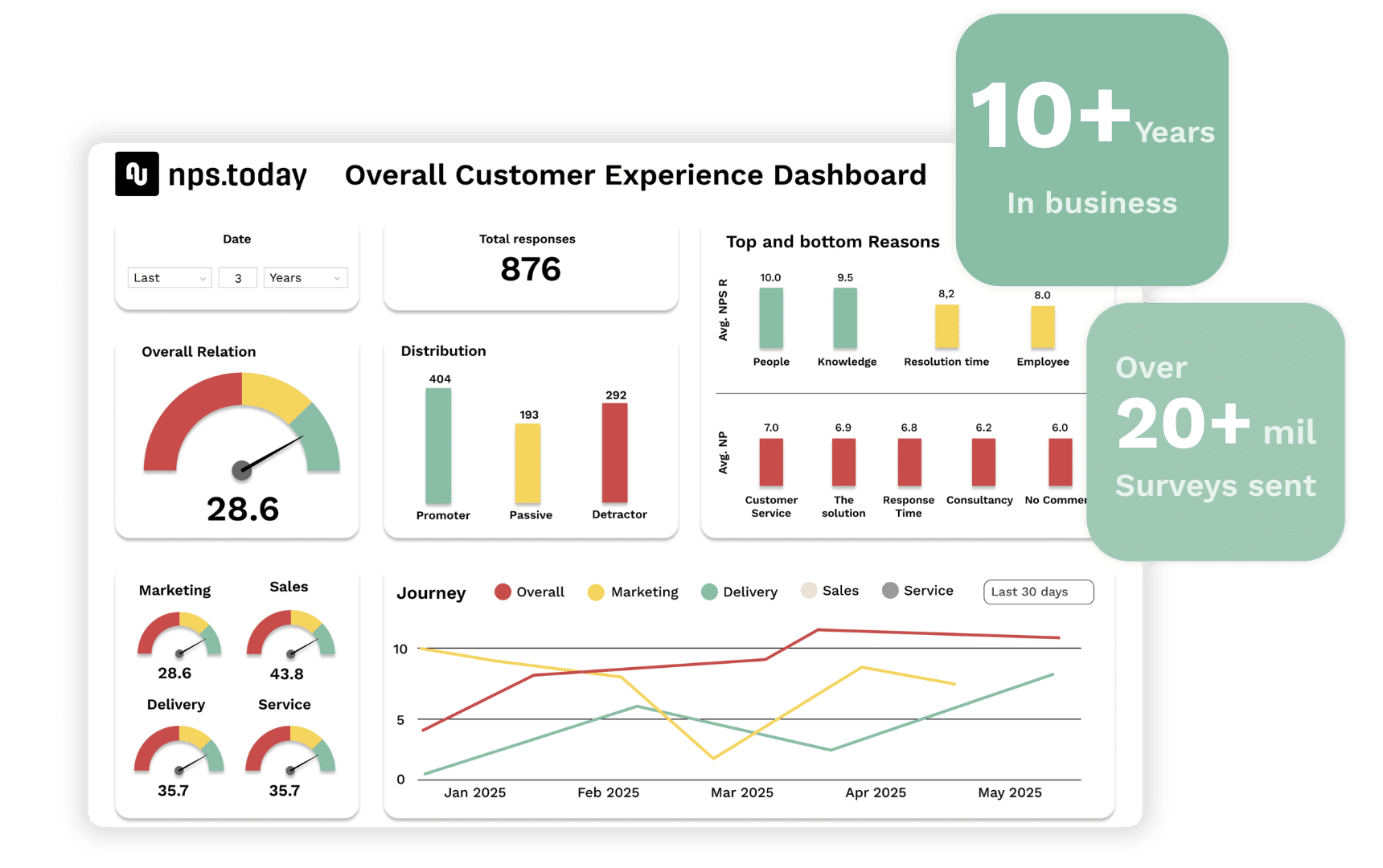
Many organizations struggle to turn customer feedback and satisfaction into an integrated, ongoing part of everyday work. Instead, they remain stuck with project-based surveys or fragmented and siloed survey solutions across departments, systems, channels, and customer journey.
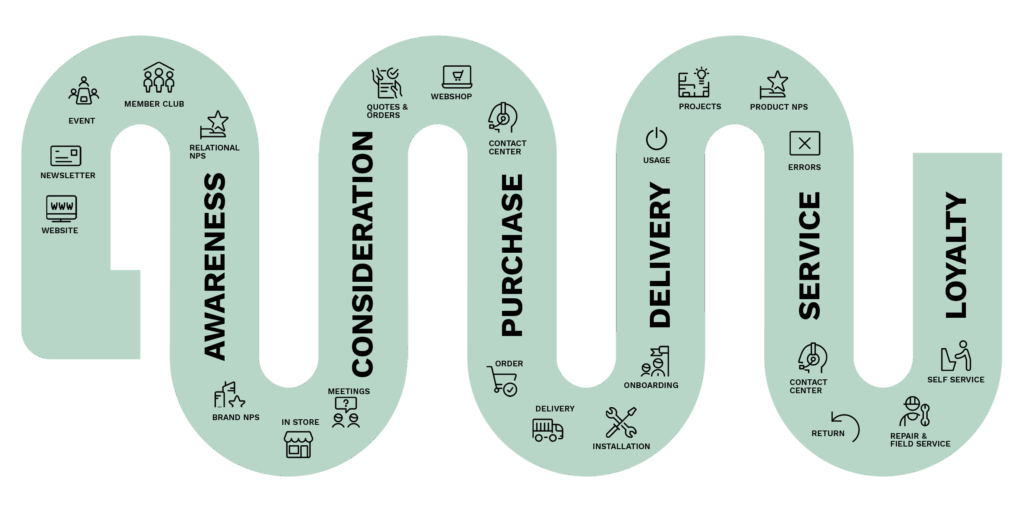
The top 5 CX challenges
To move from survey projects to a truly operational CX program – and unlock real impact – you first need to overcome these five common challenges.
#1 – Stuck with project-based surveys
Feedback is only collected occasionally, creating customer journey blind spots and slowing reactions.
#2 – Limited automation across measure, understand and act
Manual or disconnected processes make it difficult to scale and capitalize on CX initiatives.
#3 – Surveys and results remain in silos
Data lives in separate systems and departments, preventing a shared customer experience view.
#4 – Feedback and actions not integrated in daily work and systems
Frontline teams can’t easily act on shared insights within their existing tools or workflows.
#5 – Lack of internal resources to implement and drive CX program
CX initiatives often stall due to IT dependencies and limited human resources
Learn how to turn these challenges into opportunities for real CX impact
#1 Stuck with project-based surveys
Many organizations still treat CX as a series of survey projects – collecting feedback only once in a while. This leaves blind spots in the customer journey and makes it difficult to react in time.
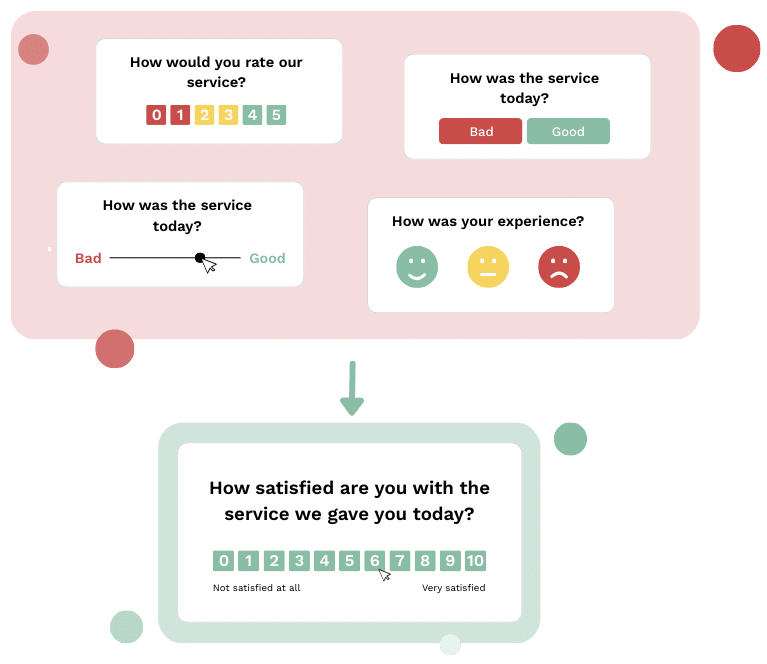
Moving to an operational CX approach means shifting from isolated surveys to turning on your always-on customer experience radar that continuously measures and drives real time action.

#2 Limited automation across measure, understand and act
Many CX programs rely on manual processes or disconnected systems – making it hard to close the loop and act in real time. Valuable insights often end up delayed or lost between teams.
Automating the full CX workflow – from measurement to action – ensures every feedback is captured, analyzed, and responded to without extra effort.
#3 Surveys and results remain in silos
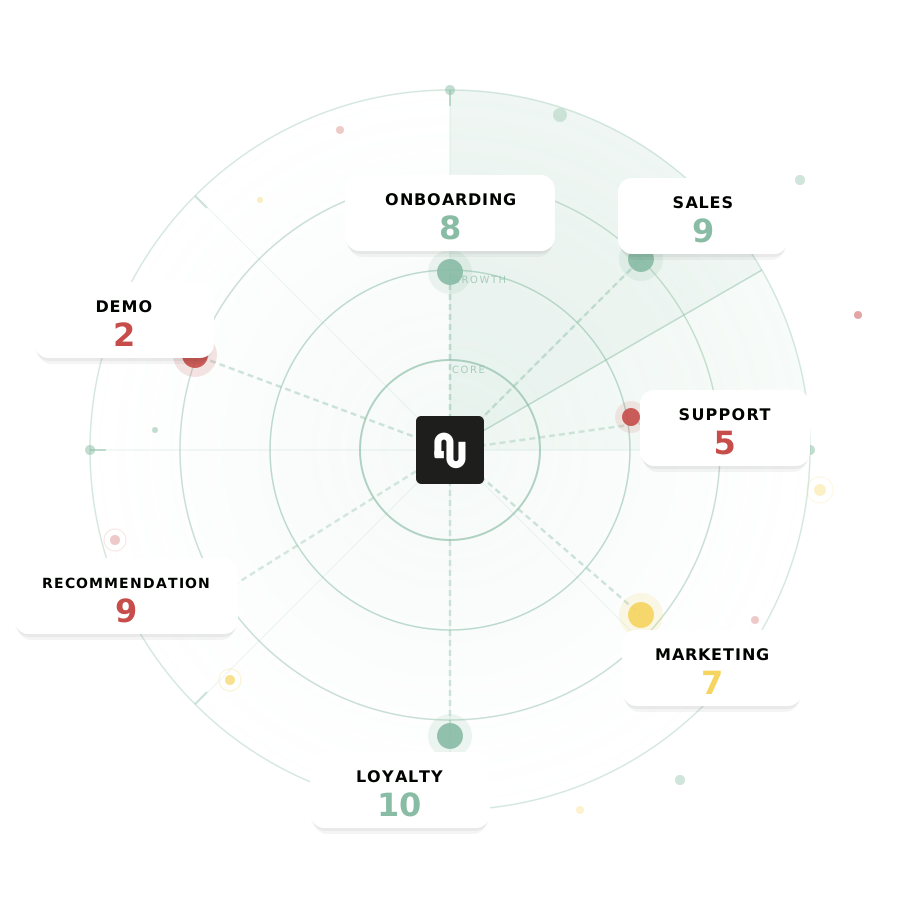
With inconstant survey formats and feedback data stuck in different systems or departments, it becomes almost impossible to see the full customer picture. Insights lose impact when they aren’t shared across the organization.
Creating one shared CX format and data foundation connects customer feedback across touchpoints and systems – giving everyone access to the same truth – the One Common Customer Pulse

#4 Feedback and actions not integrated into daily work and systems
Even when feedback is available, many frontline teams lack the tools to see it or context to act on it inside their everyday workflows. CX then becomes a management task — not a team habit.
Integrating feedback and follow-up directly into CRM and support systems empowers employees to take action where they already work.
#5 Lack of internal resources to implement and drive the CX program
CX programs often stall because they depend on IT resources, external consultants, or dedicated specialists to stay alive. That makes it hard to maintain momentum and scale – or even get started.
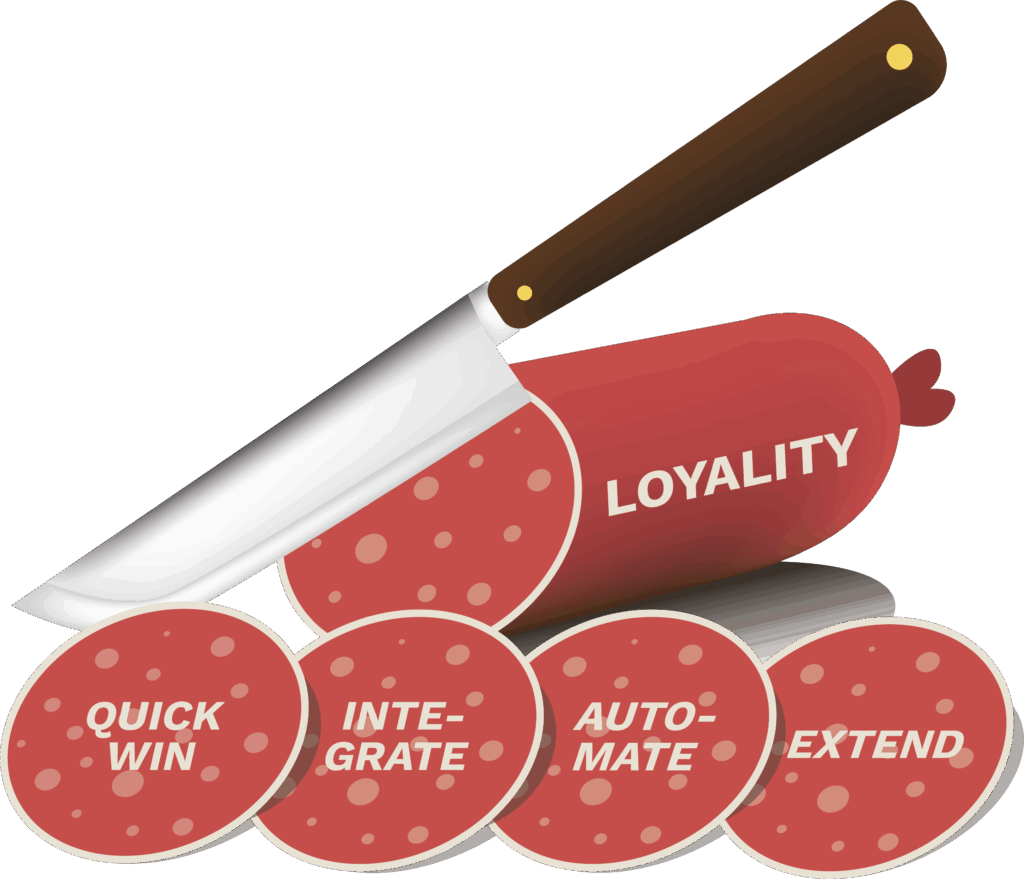
A quick-win approach with plug-in solutions and best-practice templates lets you start small and grow the program. We call it the “salami method”, growing your CX program successfully slice by slice.
Moving from surveys to operational CX
Turn fragmented feedback into one operational CX program
Move beyond project-based surveys and disconnected CX data. nps.today helps your team create one shared Customer Pulse across systems, channels and touchpoints — with automated survey triggers, CRM and support integrations, real-time follow-up and AI-powered feedback insights.
- Break down survey silos and create one shared CX view
- Automate the full measure, understand and act workflow
- Integrate feedback, tasks and insights into daily work